
ALLAN Jewelers

Diamonds

Since 1920, ALLAN Jewelers has specialized in sourcing exceptional diamonds for clients locally and around the world. We believe that buying a diamond should be an education, not just a transaction. While every diamond comes with a laboratory report, we look beyond the paperwork to find diamonds with superior structural quality and light performance.

The guide below outlines our approach to the 5 C’s of diamonds. To learn more or see these differences in person, we invite you to:
The Master-Vetted Standard

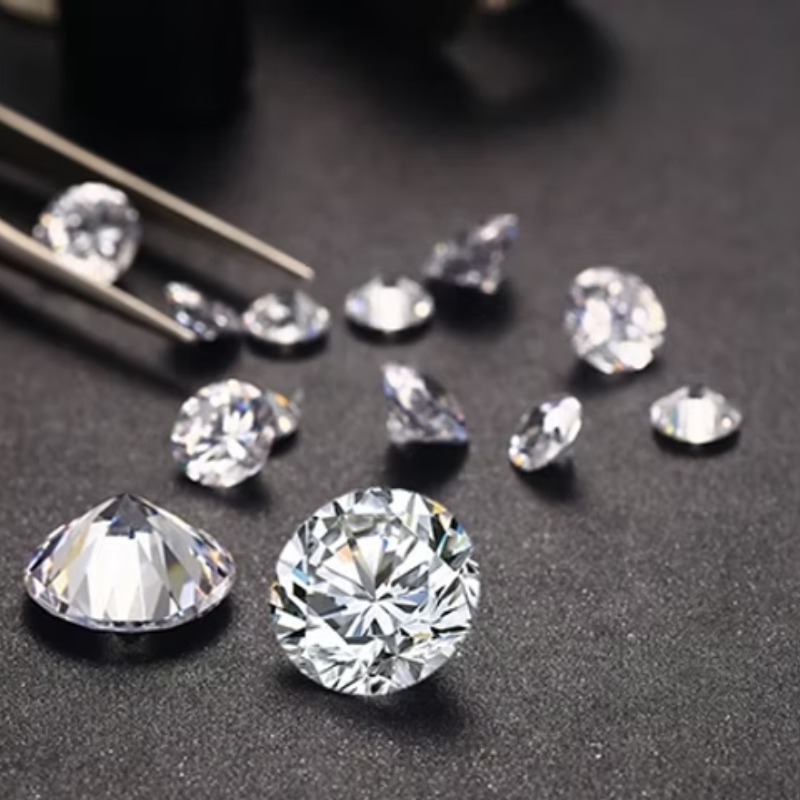
A laboratory certificate only tells you the technical grade; we tell you the truth. At ALLAN Jewelers, we reject stones that “look good on paper” but fail our in-person inspection for light performance and symmetry.

Optically Vetted: Every diamond is inspected under magnification for fire and brilliance.
Architectural Integrity: We select for stones with superior structural “make.”
Private Sourcing: Access to a global network of elite stones unavailable to the public.

Natural Diamonds: Purity

A diamond’s beauty is best appreciated through its visual presence. While value depends on both beauty and purity, our experience indicates that brilliance and overall appearance matter most to buyers and recipients. The grading system evaluates four key characteristics: carat weight, color, cut, and clarity. Each contributes to the diamond’s unique balance and appeal.

Diamond Size Basics

The initial visual impression of a diamond is determined by its size, rather than solely by its carat weight. Carat weight quantifies the diamond’s mass and is expressed in points and carats, where 100 points are equivalent to one carat. Standard benchmark weights, including 0.75, 1.00, 1.25, 1.50, and 1.75 carats, each provide a specific balance of visual presence and proportion.

Carat

The first thing you notice is a diamond’s size, not its carat weight. Carat is a measurement of weight, not physical dimensions. We specifically source diamonds with broader diameters, ensuring our diamonds often look significantly larger than others of the exact same carat weight. We want your diamond to stand out—not just on paper, but on the hand.
Cut

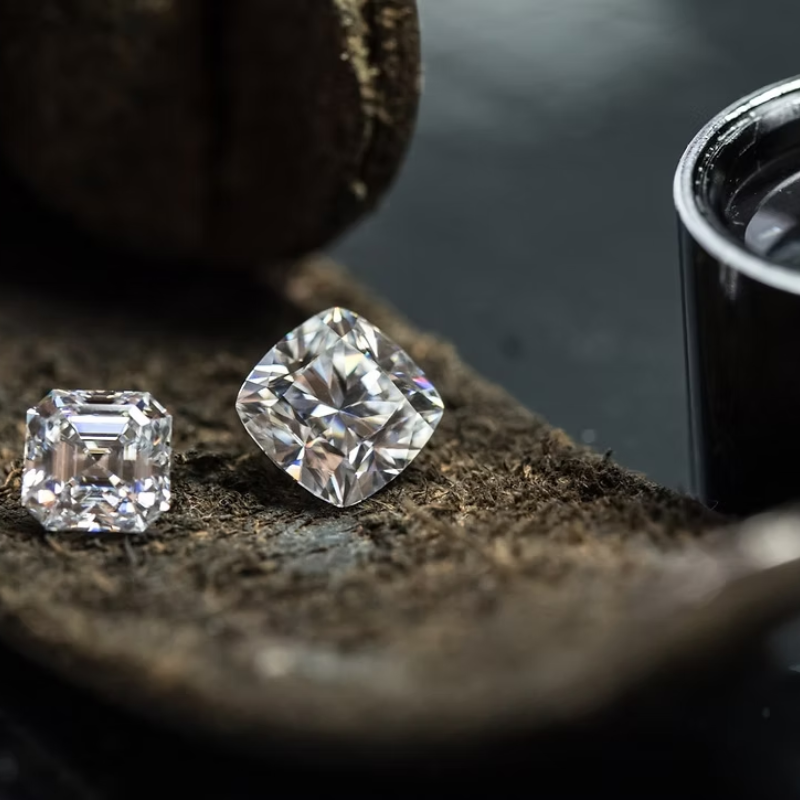
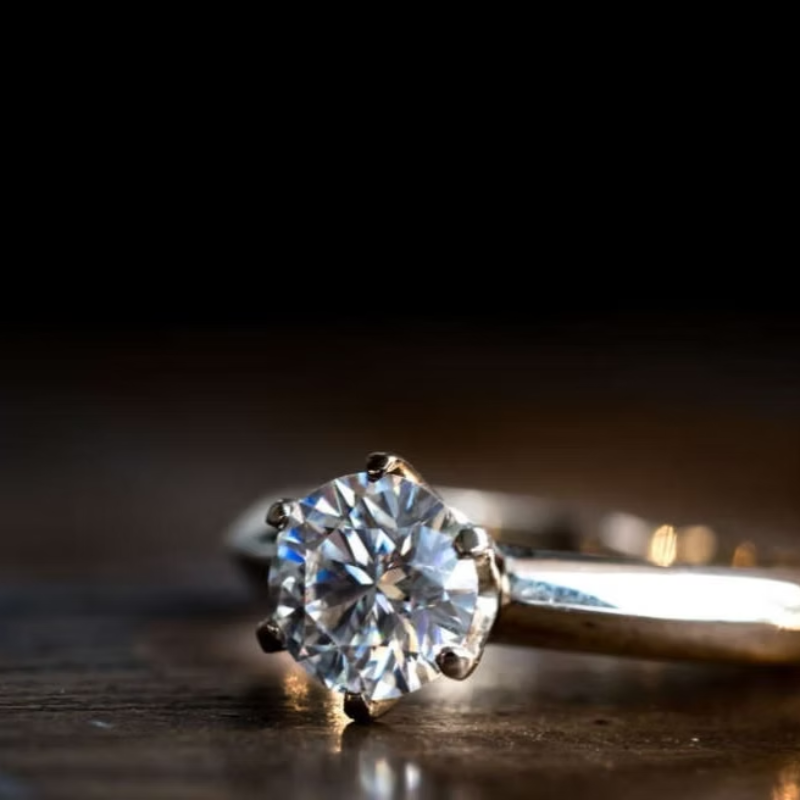
Cut is the most critical factor in a diamond’s beauty. Cut refers to how the facets are fashioned to reflect light. A diamond can be heavy but “deep-cut,” hiding its weight where you can’t see it. We select our diamonds by lining them up and choosing only the ones that outshine the rest. If a diamond doesn’t dazzle us during our selection process, it won’t be offered to you.
Color

The right color grade ensures your diamond looks striking and crisp. Most natural diamonds have a slight yellow tint caused by nitrogen. While the scale runs from D (colorless) to Z, we prioritize the highest color grades to ensure your diamond remains icy and bright. We recommend D-color diamonds to guarantee a gemstone that is truly striking in any lighting.
Clarity

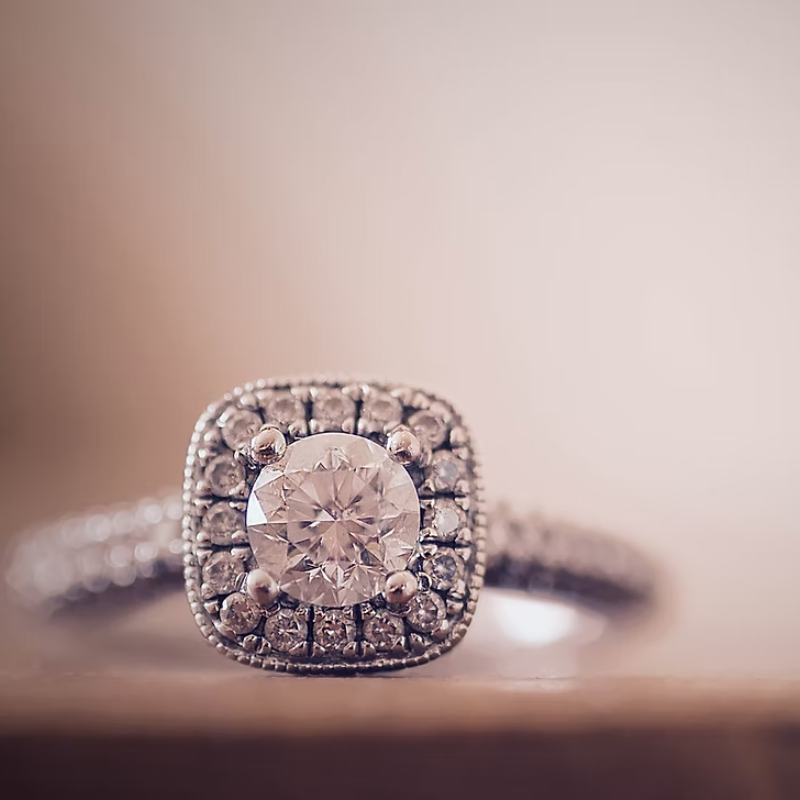
We believe clarity is only important to the extent that it is “eye-clean.” Nearly every diamond has microscopic internal characteristics. However, there is often no visible difference between a high-priced VVS1 and a well-selected SI1 to the naked eye. We help you find diamonds that look flawless in person without the unnecessary price premium of “invisible” grades.
Certification

A certificate is a vital tool, but it is not a substitute for expertise. In the modern market, certification is the “5th C” that documents a diamond’s DNA. However, different laboratories can produce conflicting reports on the exact same diamond. We use our century of expertise to vet every certificate we provide, ensuring that your diamond’s real-world beauty actually lives up to—or exceeds—the grade on the paper.

Diamond Buying: Trust

Most tireless, investigative diamond shoppers come to understand they must trust the person they buy their diamond from. Certifications cannot guide us. You need to compare and talk with an expert while viewing each diamond. This is what we do every time we buy diamonds for the stores.

We are available with our expertise whenever you are ready to see the beauty of a diamond firsthand.

Diamond Size Basics

The initial visual impression of a diamond is determined by its size, rather than solely by its carat weight. Carat weight quantifies the diamond’s mass and is expressed in points and carats, where 100 points are equivalent to one carat. Standard benchmark weights, including 0.75, 1.00, 1.25, 1.50, and 1.75 carats, each provide a specific balance of visual presence and proportion.

Maximize Your Carat Weight

In addition to carat weight, the visual impact of a diamond is primarily determined by its diameter, measured in millimeters. Two diamonds with the same carat weight and quality may appear significantly different in size depending on their cut. A well-proportioned diamond with a broader diameter will appear larger than one that is cut too narrowly. At ALLAN Jewelers, we emphasize optimal proportions to enhance visual size, ensuring that each diamond displays exceptional brilliance and presence.

Natural Diamond: Color

Diamond color is a significant attribute that influences both purity and brightness. Natural diamonds form deep within the earth, and trace elements such as nitrogen may introduce yellow tones. Consequently, diamond color is graded on a scale that begins with D, representing the highest grade, and progresses downward as color becomes more apparent. ALLAN Jewelers recommends D-color diamonds to ensure exceptional brilliance and a pure appearance.

Natural Diamond: Cut

A diamond’s cut is a defining characteristic that reflects the skill and precision involved in its craftsmanship. The quality of the cut determines how light travels through the diamond, directly influencing its brilliance and overall appearance. As cut is the most nuanced and least uniformly graded of the Four Cs, it is best understood through direct comparison. For this reason, ALLAN Jewelers evaluates diamonds side by side to ensure exceptional beauty and performance.

Natural Diamond: Clarity

Clarity, the fourth characteristic of a diamond, refers to the presence of natural inclusions within the stone. At ALLAN Jewelers, we consider clarity significant only when inclusions are visible to the unaided eye, which generally occurs at the I1 grade or lower. Diamonds graded SI1 or SI2 frequently offer an optimal balance, as they appear indistinguishable from higher grades to most observers while providing greater value, given that clarity is assessed under 10x magnification.

Natural Diamond: Certification

Certification is a major factor in the diamond world today. Independent laboratories examine individual diamonds and create documents stating their measurements and qualities. The same diamond sent to different laboratories can produce very different, sometimes conflicting, documents. If you compare diamonds by their documents, make sure they are from the same laboratory.

Diamond Buying: Trust

Most tireless, investigative diamond shoppers come to understand they must trust the person they buy their diamond from. Certifications cannot guide us. You need to compare and talk with an expert while viewing each diamond. This is what we do every time we buy diamonds for the stores.

We are available with our expertise whenever you are ready to see the beauty of a diamond firsthand.